

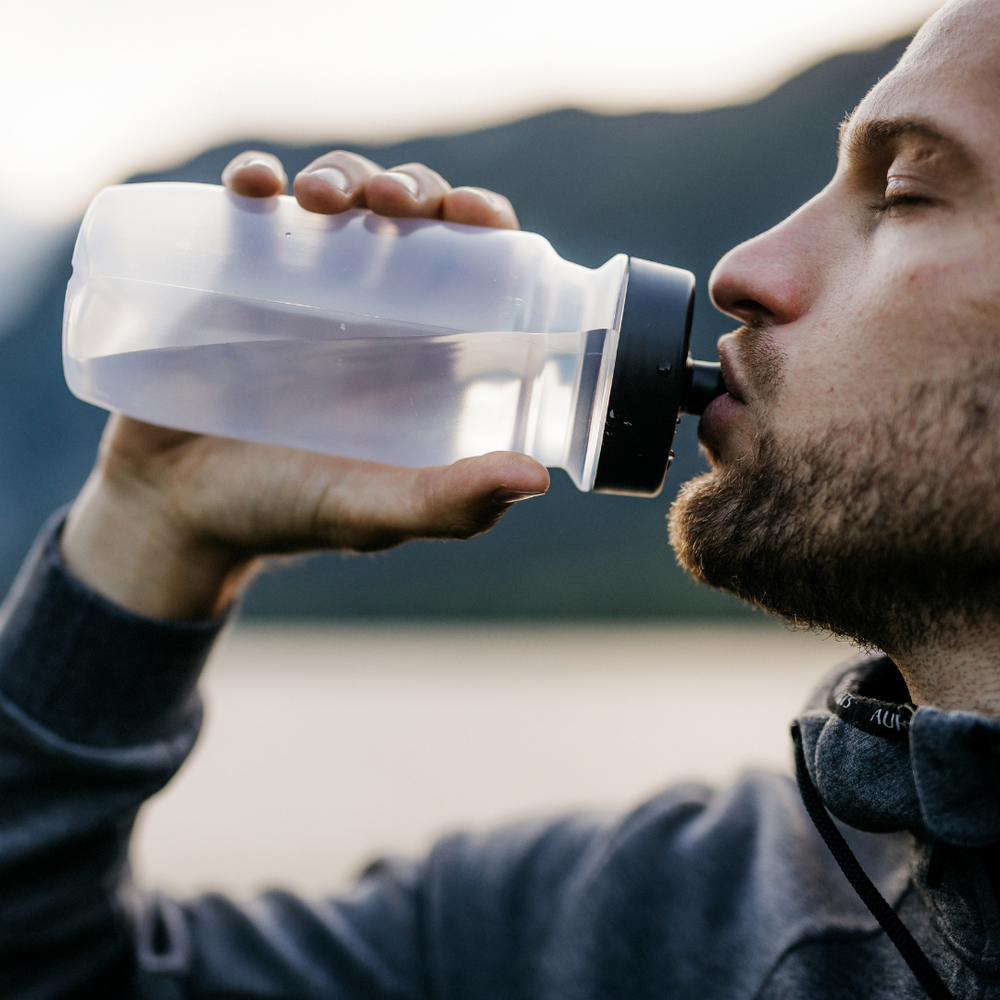

Sometimes, athletes may feel as though they are “hitting a wall” during prolonged efforts. Among the possible causes, hydration may be a factor, regardless of the sport being practiced. Here are a few tips for hydrating properly to ensure optimal performance and recovery.
1- Start well hydrated
Optimal hydration before exercise helps lower heart rate and body temperature. It also allows us to start sweating earlier, which is essential for regulating our body temperature during exercise and therefore performing better. Being well hydrated before, during and after exercise is therefore essential!
2- The winning trio
Water + carbohydrates + sodium is the winning trio for ensuring better hydration than simply drinking a little water. Carbohydrates provide energy, while sodium may help reduce the risk of cramps. But in what quantities? It is recommended to aim for 30–60 g of carbohydrates per hour and 50–70 mg of sodium for every 100 ml of water.
3- Small amounts
The small sips, short intervals strategy helps minimize the risk of gastrointestinal discomfort while promoting better hydration. Focusing on hydration frequency—that is, consuming small amounts of water at frequent intervals—is therefore ideal. Drinking 150–350 ml of water every 15–20 minutes could be one example, although this may vary depending on the athlete.
4- Only water?
Although prioritizing water and sports drinks is essential for performance, they are not the only liquids available on the market! So what should we do with energy drinks, tea or coffee? These beverages have a diuretic effect, meaning they cause more water to be lost through urine. Less hydrating than a simple glass of water, they should instead be consumed with good judgment and according to each person’s digestive tolerance!
5- Drink your carbohydrates
It is necessary to consume carbohydrates during prolonged efforts to promote hydration, but especially to replenish energy stores. So why not consume carbohydrates in liquid form and kill two birds with one stone? Sports drinks or carbohydrate gels can be good options for this. Why not try Zenit powdered electrolytes and add a little maple syrup?
6- Bring out your inner mathematician
In general, it is recommended to consume 1 ml of water per calorie expended during exercise. Of course, this is a general rule based on estimates. It may therefore be beneficial to consult a sports nutrition expert to establish a hydration plan tailored to our needs. Among other things, this helps determine the amounts of fluids needed before, during and after exercise, while providing guidance on hydration frequency and the types of fluids to prioritize.
More than just “hitting a wall”
The harmful effects associated with dehydration should not be overlooked. Nausea, palpitations and headaches may occur with moderate dehydration. However, more severe dehydration can cause breathing difficulties, extreme fatigue, dizziness and even hallucinations. In a performance context, this is not very practical for an athlete and may even put their life at risk!
Psst! How can you tell whether you are well hydrated? Simply look at the color of your urine! The goal is generally a lemonade-like color. If your urine is darker, you need to hydrate more.
This article was written by the dietitians and nutritionists at Équipe Nutrition. Their team of health professionals offers nutrition consultation services both virtually and in person throughout Canada.
Discover their approach combining health, performance and the enjoyment of eating by visiting their KoalaPro portal or by booking an appointment with a sports nutritionist-dietitian.